
Soft Foods for Braces: Easy Meals, Snacks and Eating Tips
Find braces-friendly breakfasts, meals and snacks, plus ways to soften everyday foods and protect brackets when your teeth feel sore.
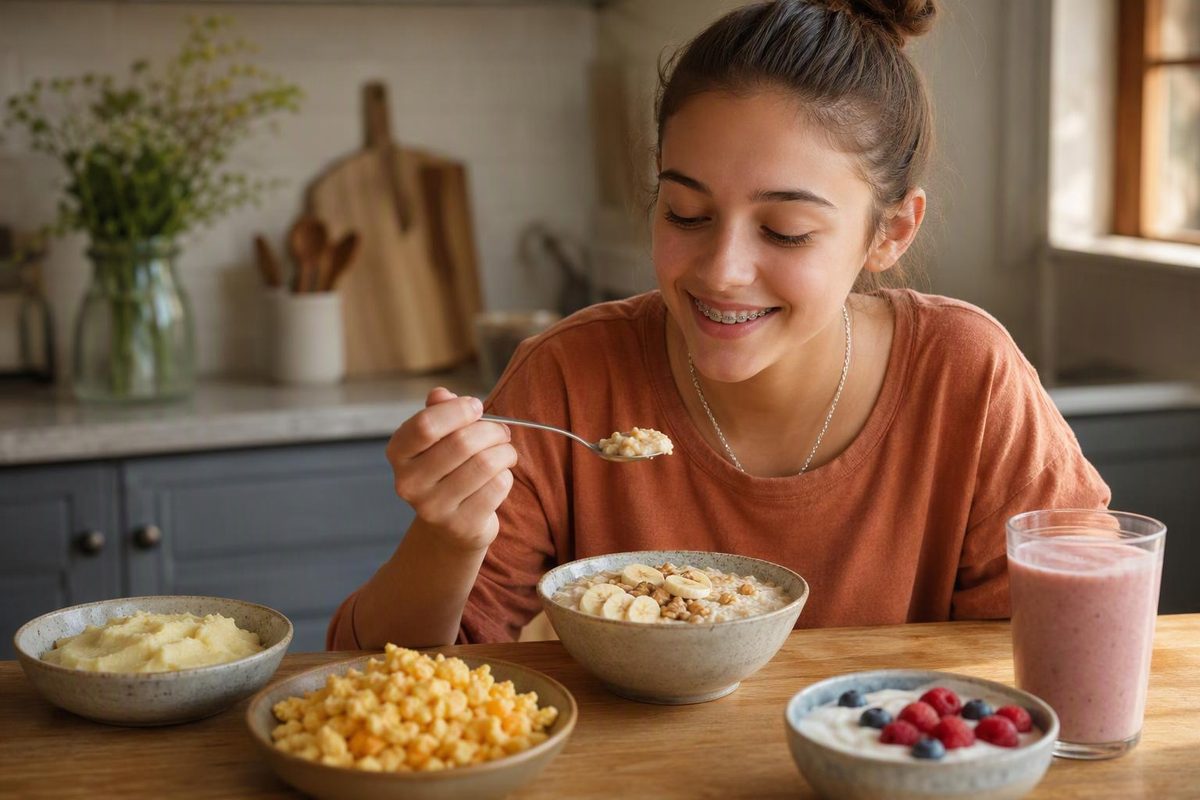
For the first few days after fixed braces are fitted or adjusted, choose foods that need little chewing: eggs, yogurt, oatmeal, soup, soft pasta, mashed potatoes, beans, flaky fish, ripe fruit and well-cooked vegetables.
Soft does not have to mean living on smoothies or dessert. For a more filling meal, combine a protein such as eggs, beans, fish or tofu with a soft starch and fruit or vegetables.
When soft foods help
Teeth commonly feel sore for a few days after fixed braces are fitted, and tenderness can return after an adjustment. The NHS says soft food may be needed while teeth are sore.
Softer food also places less stress on brackets and wires. The American Association of Orthodontists advises avoiding foods that are hard, sticky or difficult to bite into because they can damage the appliance and prolong treatment (AAO).
As a quick check, food should be easy to mash with a fork or cut into small pieces and eat without tearing, crunching or pulling.
Soft breakfast foods
- Oatmeal or overnight oats
- Scrambled or poached eggs
- Plain or lower-sugar yogurt
- Cottage cheese
- Smoothies without nuts or other hard, crunchy additions
- Applesauce or soft fruit purée
- Ripe banana, peach or pear cut into pieces
- Soft pancakes or French toast, cut before eating
Avoid hard granola, whole nuts and chewy bagels. If you choose cereal, let it soften in milk and check that it contains no hard clusters.
Easy lunches and dinners
- Smooth or soft vegetable soup
- Chicken noodle soup with tender meat and vegetables
- Soft-cooked pasta, macaroni and cheese, risotto or well-cooked rice
- Mashed white or sweet potato
- Lentil soup, dhal or soft beans
- Tofu in sauce
- Flaky boneless fish
- Tender shredded chicken
- Ground meat in pasta sauce, chili or cottage pie
- Soft tortillas with beans, eggs or finely shredded meat
- Steamed vegetables cooked until tender
- Avocado or guacamole
Remove hard garnishes such as croutons, seeds and tortilla chips. Choose minced, shredded or slow-cooked meat instead of chewy cuts; take it off the bone and cut it into small pieces.
Soft snacks and desserts
- Hummus with soft pita
- Avocado on soft bread
- Yogurt, cottage cheese or soft cheese
- Ripe melon, mango, banana or peeled peach
- Applesauce or stewed fruit
- Pudding, custard or rice pudding
- Ice cream or frozen yogurt without nuts, hard candy or caramel
Cold food may feel soothing, but softness does not make every snack tooth-friendly. Sugary foods and drinks contribute to decay risk, particularly when consumed frequently. The British Orthodontic Society recommends avoiding sugary items between meals and at bedtime, along with fizzy and acidic drinks (BOS patient guidance). Water is the simplest drink between meals.
A one-day soft-food menu
Breakfast: Scrambled eggs, oatmeal and a ripe banana Lunch: Lentil soup with soft bread cut into pieces Snack: Plain yogurt with applesauce Dinner: Flaky fish, mashed potato and well-cooked carrots Dessert: Rice pudding
For a vegetarian meal, replace fish or meat with tofu, beans or dhal. Anyone with allergies, swallowing difficulties, diabetes or other dietary needs may need individualized advice from a clinician or dietitian.
Make ordinary food safer for braces
Many foods need different preparation rather than complete avoidance:
- Cook until tender: Steam, boil or roast firm vegetables until they are soft.
- Cut before eating: Slice sandwiches, fruit, vegetables and other food into bite-size pieces instead of biting with the front teeth.
- Use the back teeth: Chew small pieces slowly on the molars.
- Remove hard parts: Take meat off bones and corn off the cob. Leave hard pizza and bread crusts.
- Add moisture: Sauce, broth or yogurt can soften rice, pasta and meat.
- Check each serving: Remove bones, fruit stones and other hard pieces.
Leicester’s Hospitals likewise advises cutting food into small pieces and eating it on the back teeth. Its examples of suitable foods include soup, pasta or rice dishes, yogurt, cheese, soft produce, lentils and noodles (patient leaflet). Follow any stricter instructions from your orthodontist because appliances and treatment plans differ.
Soft is not the only test
Avoid food that clings to or pulls at the appliance, including caramel, toffee, gummy candy and chewing gum. Do not crunch ice, nuts, popcorn, hard candy, pretzels or hard chips. Dense, chewy food can also stress braces even when it is not crisp.
Pasta, bread and mashed foods can collect around brackets. Rinse with water after eating if brushing is not immediately possible, then clean carefully at the next opportunity. Our guide to brushing with braces explains how to clean above and below each bracket and along the gumline.
Contact your orthodontic office if a bracket comes loose, a wire bends or another part breaks. The NHS also advises contacting the orthodontist if pain continues for more than a few days after fitting or adjustment, or if the gums become very red, swollen or painful (NHS).