
Does Medical Insurance Cover Braces? Sometimes
Routine braces are generally excluded, but documented medical necessity may qualify. Compare medical, dental and Medicaid rules, approval steps and appeals.
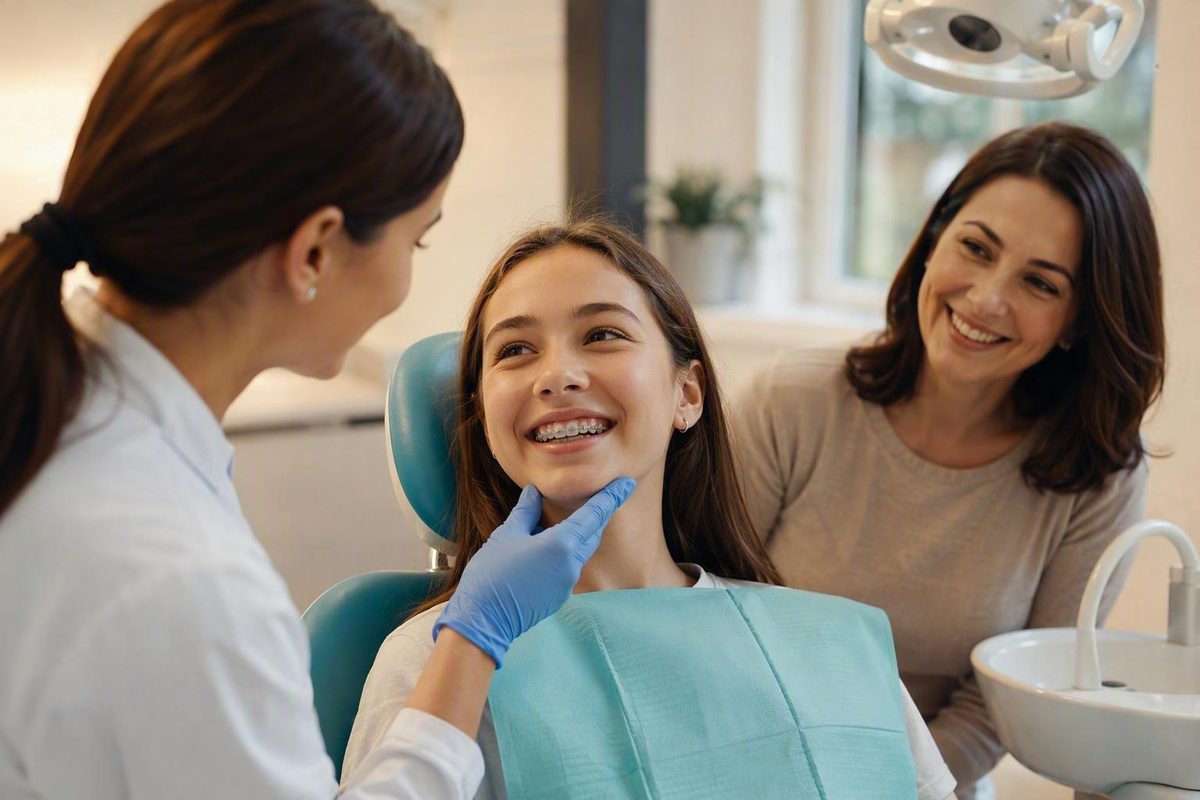
Medical insurance generally does not pay for routine braces or treatment intended mainly to improve appearance. It may cover orthodontic treatment when the plan determines that braces are medically necessary. Dental insurance can offer a separate orthodontic benefit, while Medicaid rules vary by state and California Medi-Cal has its own qualification and authorization process (medical and dental coverage overview).
Before treatment begins, identify which benefit applies, document any functional need, confirm that the orthodontist participates in the applicable network, and obtain required approval in writing.
This article provides general educational information, not clinical or benefits advice.
The short answer: sometimes, but coverage is conditional
“Does medical cover braces?” can refer to several kinds of coverage:
- Private medical insurance may review braces when treatment addresses a significant health or functional problem.
- Dental insurance may include an orthodontic benefit even when medical insurance excludes braces.
- Medicaid may cover medically necessary orthodontics, but eligibility and approval rules vary by state and age.
- Medi-Cal, California’s Medicaid program, may provide orthodontic treatment through Medi-Cal Dental for children who qualify. California’s Smile California portal lists “orthodontics (braces) for children who qualify” among services that may be covered.
| Coverage type | Likely basis for coverage | Common restrictions | First verification step |
|---|---|---|---|
| Private medical insurance | Plan-defined medical necessity or treatment related to a medical condition | Exclusions, network rules, referrals, documentation, and prior authorization | Ask medical member services for the applicable clinical policy |
| Dental insurance | A specific orthodontic benefit | Age limits, waiting periods, network rules, cost sharing, and annual or lifetime limits | Request an orthodontic benefit estimate |
| Medicaid generally | Medical necessity under state rules | State, age, severity, provider, documentation, and authorization requirements | Contact the state program or managed-care plan |
| Medi-Cal Dental | Qualifying pediatric orthodontics | HLD assessment, EPSDT criteria, provider participation, records, and authorization | Confirm the dental delivery system and find a participating orthodontist |
A plan may cover none, part, or all of an approved treatment course. It may also process different parts of one case under different benefits. For example, a medical plan might review jaw surgery while a dental plan separately reviews the associated orthodontics.
The orthodontist diagnoses the condition, prepares clinical records, and recommends treatment. The insurer or public program—not the orthodontist or this publication—makes the individual coverage determination.
What makes braces medically necessary rather than cosmetic?
The practical distinction is health, function, or development versus appearance. Cosmetic orthodontics primarily changes how the teeth or smile look. A medical-necessity request argues that treatment is needed to address a documented functional or health-related condition.
Circumstances that may justify a coverage review include:
- Severe malocclusion that materially interferes with eating, chewing, swallowing, or speech
- Significant jaw abnormalities
- Craniofacial or congenital conditions, including cleft palate
- Impacted teeth requiring coordinated treatment
- Dental or jaw problems caused by trauma
- Orthodontics required as part of a broader medically necessary treatment plan
Consumer Medicaid guidance identifies severe functional misalignment, craniofacial conditions, impacted teeth, and injury-related problems as possible reasons for review, while emphasizing that state rules differ (Medicaid orthodontic coverage overview). Private-plan guidance likewise identifies cleft palate, facial trauma, and severe jaw misalignment affecting eating or speech as circumstances that may support a request.
These are reasons to request review—not automatic approval criteria. A plan may require a particular diagnosis, degree of severity, measurable functional impairment, specialist documentation, or evidence that the proposed orthodontic treatment is connected to the condition.
Ordinary crowding, mildly crooked teeth, or a desire for a straighter smile generally does not establish medical necessity by itself. A symptom such as jaw discomfort or a speech problem also does not prove that braces are the required treatment. The plan may request evidence that the malocclusion causes or materially contributes to the problem and that orthodontics is appropriate.
If jaw surgery is involved, do not assume approval of the operation includes braces. Medical insurance may review the surgery while dental insurance separately processes presurgical or postsurgical orthodontics (California insurance overview). Ask both plans about networks, authorization, covered services, and cost sharing for each component.
When Medi-Cal may cover braces for someone under 21
Medi-Cal is California’s Medicaid program. Medi-Cal Dental may cover braces for children who qualify, but enrollment and age alone do not establish orthodontic coverage.
California’s Early and Periodic Screening, Diagnostic, and Treatment program provides medically necessary dental treatment without cost to eligible full-scope Medi-Cal members under age 21. Under EPSDT, a service may be medically necessary when it is needed to “correct or ameliorate” a condition, including improving the condition, maintaining health, preventing deterioration, or preventing additional health problems.
Two qualification pathways are important:
- The standard orthodontic route: The official guidance identifies an HLD Index score of at least 26 points or one of six automatic qualifying conditions as the standard route. Families and providers should consult the current Medi-Cal Dental Manual of Criteria for the official automatic qualifying conditions.
- The broader EPSDT pathway: A member under 21 who scores below 26 and does not have an automatic qualifier may still be considered when the submitted documentation shows that orthodontics will correct or ameliorate the member’s condition. California gives the example of a speech pathologist documenting that malocclusion is the primary cause of a speech disorder that cannot be resolved without correcting the malocclusion (California DHCS EPSDT guidance).
A qualifying score supports submission through the standard route, but it does not guarantee authorization. Active eligibility, complete documentation, provider participation, the requested services, and the program’s review still matter.
The EPSDT rules described here apply to eligible full-scope Medi-Cal members under 21. They should not be treated as a statement that Medi-Cal always covers—or always excludes—braces for adults.
How to request coverage before treatment starts
The exact process depends on the plan, but this sequence can reduce avoidable denials and surprise bills.
-
Confirm active eligibility and the benefit type. Determine whether the treatment will be reviewed under private medical insurance, dental insurance, Medicaid, fee-for-service Medi-Cal Dental, or a dental managed-care plan. Verify that coverage is active.
-
Find a participating orthodontist. Confirm participation with both the orthodontist’s office and the plan.
-
Obtain an orthodontic evaluation. Ask the orthodontist to document the diagnosis, severity, functional concerns, proposed treatment, and why the treatment is appropriate.
-
Complete HLD scoring when applicable.
-
Collect supporting records. Depending on the case and plan, relevant material may include examination findings, X-rays, photographs, digital scans or diagnostic casts, a treatment plan, an HLD Index score sheet, and evidence of functional impairment. A speech pathologist, surgeon, physician, or other specialist may need to document the connection between the condition and the proposed treatment.
-
Submit the authorization request. Medi-Cal orthodontic review requires the applicable Treatment Authorization Request and supporting clinical documentation. For a below-threshold EPSDT request, the submission must include the completed HLD score sheet and other records required by the Manual of Criteria. Review of active orthodontic services also requires diagnostic casts (California DHCS EPSDT guidance).
-
Wait for the written decision. If prior authorization is required, do not rely on a verbal estimate or begin treatment while the request is pending. Ask what authorization must be issued before records, appliances, or active treatment begin.
Keep these four determinations separate:
- Eligibility: Is the person currently enrolled?
- Authorization: Has the proposed treatment plan been approved?
- Covered services: Which appliances, visits, procedures, repairs, and retention services are included?
- Claim payment: Will a particular claim be paid after eligibility, authorization, coding, network, and cost-sharing rules are applied?
Authorization does not necessarily include every appliance, adjustment, replacement, or retainer. Nor does it guarantee payment of every later claim if other requirements are not met.
Use this insurance-verification checklist and call script
Before committing to treatment, ask member services or the applicable public program:
- Is orthodontic treatment processed under my medical benefit, dental benefit, or both?
- Does the plan cover braces only when medically necessary, or is there a routine dental orthodontic benefit?
- How does the plan define medical necessity for orthodontics?
- Can I receive the current clinical policy or Manual of Criteria?
- Are there minimum or maximum ages?
- Is a referral required?
- Is prior authorization required before diagnostic records, appliances, or active treatment?
- Must I use a participating orthodontist?
- Which X-rays, photographs, scans, casts, score sheets, examination findings, or specialist letters are required?
- Does the plan use the HLD Index or another severity-scoring method?
- Which appliance categories and related services may be covered?
- Are adjustments, repairs, appliance removal, and retention included?
- Does a retainer require separate authorization?
- What deductible, copayment, coinsurance, annual maximum, or lifetime orthodontic maximum applies?
- Is treatment already in progress eligible for coverage?
- What happens if eligibility, employment, or insurance changes during treatment?
- Where should the orthodontist submit the authorization request?
- How will the decision be delivered?
- What appeal deadline applies if the request is denied?
California readers should determine whether the member receives dental benefits through fee-for-service Medi-Cal Dental or a dental managed-care plan. The provider network, submission process, and authorization instructions should be confirmed with the program that currently administers the member’s benefit.
A short call script can keep the conversation focused:
“I’m calling about orthodontic coverage for member [name and ID]. An orthodontist is considering [brief description of treatment]. Which benefit processes braces in this case—medical, dental, or both? Please send me the current coverage policy, medical-necessity criteria, required clinical records, provider-network rules, and prior-authorization instructions. Are there age limits, benefit maximums, appliance restrictions, or separate requirements for retention? May I have a reference number and written confirmation?”
For a surgical case, add:
“Please check the benefits separately for jaw surgery, presurgical orthodontics, and postsurgical orthodontics. Does each component require a different provider, authorization, or claim submission?”
Save the benefit summary, policy, authorization letter, call date, representative’s name, reference number, and a copy of the clinical records submitted. These records can help if the plan requests more information, coverage changes, or a later claim does not match the authorization.
What to do if braces are denied or not covered
Start by obtaining the denial in writing. Determine whether it concerns:
- Inactive or ineligible coverage
- Failure to meet medical-necessity criteria
- Missing clinical documentation
- An incomplete or incorrect authorization request
- A nonparticipating provider
- An excluded orthodontic benefit
- An appliance or service outside the authorization
- Claim processing after treatment was authorized
If evidence is missing, ask the orthodontist whether additional clinical records are appropriate. Depending on the reason for treatment, documentation from a speech pathologist, oral surgeon, physician, or another specialist may help explain the functional problem and how orthodontics relates to it. Additional records do not guarantee approval.
Follow the appeal procedure and deadline stated in the denial or provided by the applicable insurer, Medicaid agency, Medi-Cal Dental program, or managed-care plan. There is no single appeal process for every type of coverage.
If coverage is unavailable, consider:
- Checking a separate dental plan for orthodontic benefits
- Asking a dental school about supervised orthodontic care
- Looking for community or nonprofit dental programs
- Requesting a complete cash-pay quote
- Asking the orthodontist about an installment plan
- Comparing an office payment plan with third-party financing
- Asking whether a lower-cost, clinically suitable appliance is available
Aligner Source estimates comprehensive braces without insurance at roughly $3,000–$7,500 (published cost estimate). This is a broad planning range, not a provider quote, insurance allowance, or guaranteed price.
Compare written quotes for the complete course of care, including diagnostic records, appliances, routine visits, emergency repairs, removal, retainers, possible additional charges, and financing costs.
Discuss treatment suitability and urgency with an orthodontist. Direct questions about eligibility, authorization, benefits, and claim payment to the insurer or public program responsible for the coverage decision.
Where can a provider ask Medi-Cal about an EPSDT orthodontic request?
California’s official EPSDT guidance lists Medi-Cal Dental Provider Customer Service at (800) 423-0507 for provider questions. Because contact details and procedures can change, providers should confirm the number through the current official Medi-Cal Dental guidance.
Does Medi-Cal Dental provide braces to every child enrolled in Medi-Cal?
No. Medi-Cal Dental may cover braces for children who qualify, but enrollment or being under 21 does not automatically authorize treatment. The request must satisfy the applicable standard HLD or automatic-qualifier route, or establish medical necessity under EPSDT, with the required documentation submitted for review.
Active eligibility, provider participation, covered-service rules, and written authorization can each affect whether treatment is approved and whether later claims are paid.